×

The Standard e-Paper
Fearless, Trusted News
 The Standard Group Plc is a
multi-media organization with investments in media platforms spanning newspaper
print operations, television, radio broadcasting, digital and online services. The
Standard Group is recognized as a leading multi-media house in Kenya with a key
influence in matters of national and international interest.
The Standard Group Plc is a
multi-media organization with investments in media platforms spanning newspaper
print operations, television, radio broadcasting, digital and online services. The
Standard Group is recognized as a leading multi-media house in Kenya with a key
influence in matters of national and international interest.

Audio By Vocalize
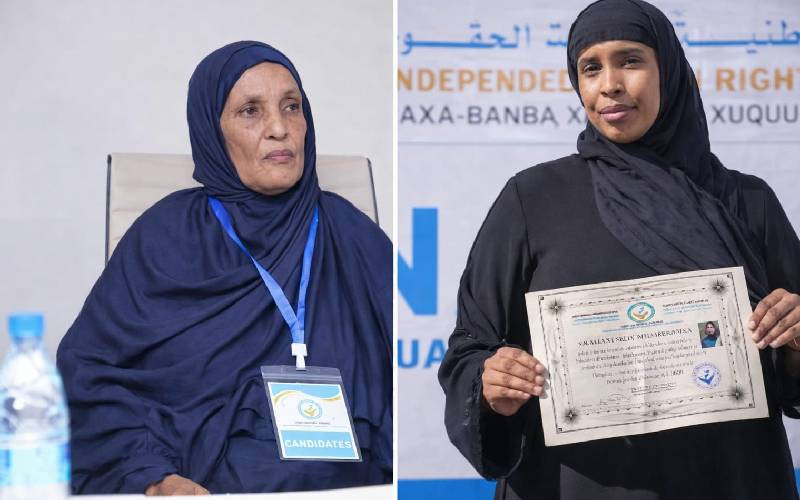
A section of officials within the Somalia Human Rights Commission has been criticised over their involvement in politics. The move breeds fresh controversy within the commission following public statements by the senior officials that critics now say compromise the institution’s neutrality and independence.
Faadumo Abdiqani Yusuf, Secretary of the Commission, has come under scrutiny after openly expressing support for the re-election of South West State President Abdiaziz Hassan Mohamed Laftagareen. Her endorsement comes amid widespread controversy surrounding the electoral process, which has been rejected by the Federal Government of Somalia.
Legal analysts and civil society actors argue that such political alignment contravenes established international and national standards governing human rights institutions. The Paris Principles, which guide the functioning of national human rights bodies, emphasise strict independence from political influence. Similarly, Somalia’s Independent Human Rights Commission Establishment Law No 16 of 2026 requires Commission members to remain impartial and operate strictly within their legal mandate.
The controversy follows earlier concerns involving the Commission’s chairperson, Maryam Qaasim, who had previously made public statements perceived by observers as inconsistent with international human rights standards. Her remarks had already raised questions about the Commission’s adherence to globally recognised principles of human rights protection.
Further compounding the situation are allegations regarding the leadership selection process within the Commission. Critics claim the elections were marred by irregularities, including accusations that certain government officials expended significant financial resources to influence outcomes. These claims suggest potential attempts to secure leadership positions for strategic or financial gain, including access to contracts.
Civil society organisations across Somalia had earlier rejected the leadership elections, warning that the process risked undermining the credibility and functionality of the institution. Advocacy groups working on governance and social justice issues have cautioned that continued politicisation could lead to institutional collapse at a time when independent human rights oversight is critically needed. Observers note that the unfolding developments may have broader implications for governance and accountability in Somalia, particularly in a context where independent institutions play a vital role in safeguarding rights and maintaining public trust.
No official response has yet been issued by the Commission addressing the latest concerns.

Subscribe to our newsletter and stay updated on the latest developments and special offers!






 join
join