×

The Standard e-Paper
Stay Informed, Even Offline
 The Standard Group Plc is a
multi-media organization with investments in media platforms spanning newspaper
print operations, television, radio broadcasting, digital and online services. The
Standard Group is recognized as a leading multi-media house in Kenya with a key
influence in matters of national and international interest.
The Standard Group Plc is a
multi-media organization with investments in media platforms spanning newspaper
print operations, television, radio broadcasting, digital and online services. The
Standard Group is recognized as a leading multi-media house in Kenya with a key
influence in matters of national and international interest.

Audio By Vocalize

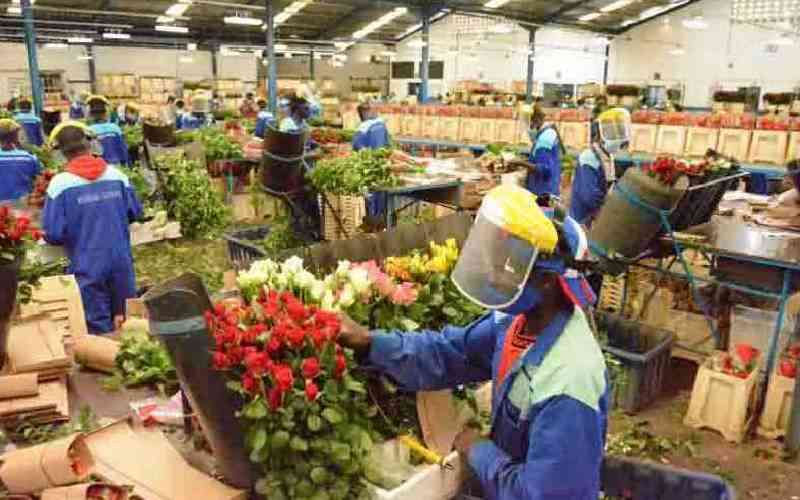
The Kenya Flower Council (KFC), has rejected the decision by the Nakuru County Government to impose cess on flower exports.
They termed the Sh400-per-tonne cess illegal and unconstitutional.
The council said it has moved to court to stop the illegal levy, saying that the issue was prosecuted in 2018 and the county was barred from collecting cess from them.
In the last couple of weeks, county revenue and enforcement officers have impounded tens of lorries ferrying flowers, demanding cess for the last nine months.
The Council Chief Executive Officer, Clement Tulezi, confirmed the impasse, adding that they had sought legal intervention over the matter.
He said that the impromptu arrests and delays could affect the quality of the flowers, terming the harassment as unfair and uncalled for.
“We have gone to court seeking to stop this illegal collection of cess by Nakuru Court, and I don’t want to get into the nitty-gritty as the matter is yet to be determined,” he said.
Tulezi, however, added that the High Court in 2018 heard and determined the matter, which was declared illegal, as the farmers were already paying various levies to the national government.
A senior county officer who declined to be named said that all farmers were supposed to pay Agricultural Products Cess, which was enacted by the county assembly in 2023.
“This cess was enacted three years ago, and the horticulture farmers are supposed to pay Sh400 per tonne, but many have ignored this and hence the enforcement,” said the officer.
Earlier, the Agricultural Employers Association (AEA) noted that production costs had nearly doubled over the past year due to double taxation and high fuel prices.
Wildlife Roses general manager Patrick Mbugua, lamented that the cost of production has risen by over 40 per cent against stagnant flower prices.
Mbugua blamed this on the escalation of taxes and levies in the industry, a move that had hindered expansion in the sector, which employs over 200,000 people.
“The price of calcium nitrate, which is one of the key components in the sector, has doubled in the last three months since the Iran war started, and this affects production,” he said.
Stay informed. Subscribe to our newsletter
Mbugua said that despite the High Court declaring cess levies illegal, some counties were charging farmers for horticultural products.
“We have seen Nakuru County reintroducing cess, yet this issue was addressed by the High Court back in 2018 and declared illegal,” he said.







Subscribe to our newsletter and stay updated on the latest developments and special offers!







 join
join